Book Appointment Now
PCOS : 10 Essential Facts Every Woman Should Know
Introduction
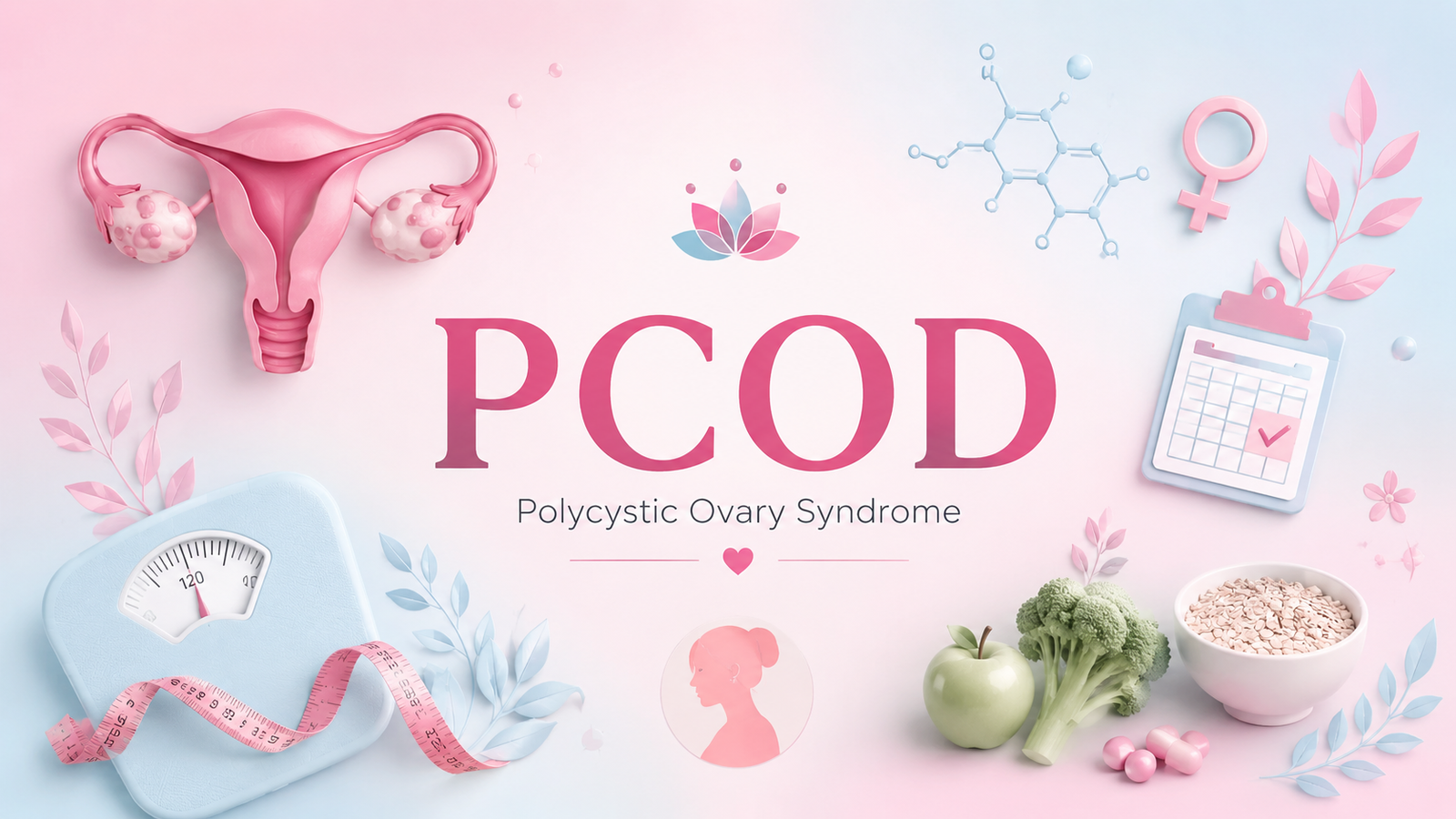
Polycystic Ovarian Syndrome (PCOS) formerly known as Stein Leventhal syndrome, is one of the most common hormonal disorders affecting women of reproductive age group. Although the condition was once named for the presence of “Polycystic Ovaries” the term can be misleading. The so called cysts are not true path, logically cyst, but rather multiple immature or added ovarian follicle that failed to develop normal. In fact many woman with PCOS, do not have the policy appearance over on the ultrasound
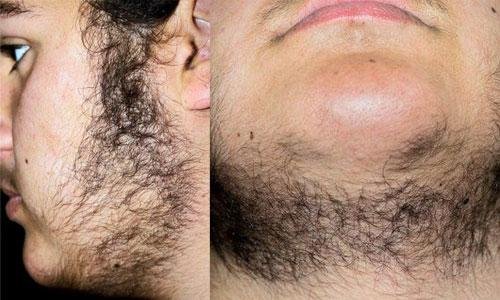
PCOS is one of the most common reason of hirsutism (Excess Facial and Body hair) and one of the leading causes of chronic anovulation, which can result in irregular menstrual period and infertility. Beyond reproductive health, PCOS is also closely linked to insulin resistance, Pre-diabetes, Type 2 Diabetes, obesity and increased risk of cardiovascular syndrome,making erly diagnosis and proper management essential.
Risk factor
- Obesity
- Insulin resistance
- Female with metabolic Syndrome
- Diabetes mellitus type two and type one
- Pre-mature adrenarche
- Mexican or Australian people, and sometimes the South Asian people are predisposed
- History of 1st degree relative with PCOS
- Few anti ecliptic drug which is a higher risk of PCOS like valproic acid.
Pathogenesis
The exact cause of PCOS remains incompletely understood, but excess ovarian androgen production is a central feature of the disorder. In most women with PCOS serum testosterone levels are mild to moderately elevated, typically range below 200 ng/dL. Markedly higher androgen level should prompt evaluation for other causes, such as androgen secreting ovarian tumour or adrenal tumour.
The excess estrogen are produced primary by the Theca cells of the ovaries with a insulin resistance and elevated leutenizing hormone further stimulating the androgen synthesis. This increased androgen level disrupt the normal follicular development. Instead of maturing into a dominant follicle and ovulating, many undergo growth arrest, resulting in multiple small immature follicle within the ovaries.
The arrested follicular development leads to chronic and ovulation, causing irregular menstrual cycle, infertility, and many of the characteristic clinical features of PCOS, including its Hirsutism and acne
The diagnosis of PCOS is commonly establish based on the criteria which is discussed below.
Hirsutism vs Virilisation
| Hirsutism | Virilisation | |
| Androgen Level | Mildly Elevated | Excessive Elevated |
| Seen in | PCOS / PMOS | Androgen Producing Tumor |
| Fearures | Coarse male pattern terminal hair around Lips, Chin, Chest, Linea Nigra, Alopecia | Clitoromegaly Increased Muscle mass Deepening of Voice |
| Score System | Modified Ferriman Gallwey Score | Prader Score |
General Lab Reports
- LDL- increased
- HDL- decreased
- Testosterone- > 70 but <200
- DHEA- elevated
- LH- elevated
- Sex Hormone Binding Globulin (SHBG)- decreased bue to increased Testosterone
- Rotterdam Criteria
Any 2 of the following 3 should be present
- Increased androgen level
- Ovary dysfunction as amenorrhea or oligomenorrhea
- USG- one or both the ovaries with >12 follicle with size <1 cm and volume >10 ml
The USG shows in “necklace pattern” of the ovaries with PCOS
What can be associated with Hirsutism
- PCOS / PMOS
- Idiopathic Hirsutism
- Late onset CAH
- Androgen secreting Ovarian Tumor
Hirsutism vs CAH
| Hirsutism | CAH | |
| 17 hydroxy-progesterone | Norma | Markedly Elevated |
| Testosterone | Elevated | Elevated |
| DHEA | Mildly Elevated | May be Elevated |
| LH:FSH ratio | Elevated (>2:1) | Normal |
| ACTH Stimulation test | Not required | Confirm Diagnosis |
One quick way to differentiate them is, in CAH, its early onset of hirsutism and in PCOS, its rather a Rapid Onset
17-OH Progesterone Value
- <200 ng/dL – Rule out CAH
- 200-800 ng/dL – Perform ACTH stimulation test to evaluate CAH
- >800 ng/dL – Confirms CAH
Testosterone Values
- <70 ng/dL – Usually Normal
- 70-150 ng/dL – Mild Elevation, commonly seen in PCOS
- >150 ng/dL – Consider Androgen Secreting Ovarian Tumor
Insulin Resistance
It is seen almost 70 to 80% of the patients. This further stimulate the Theca cell to produce androgen. Insulin resistance is associated with-
- Hyperandrogenism
- Diabetes mellitus
- Acanthosis Nigricana
Obese PCOS vs Thin PCOS
| OBESE FEMALE PCOS | THINN FEMALE PCOS | |
| Insulin Resistance | Present | Presemt |
| Amenorrhea | Less Common | More Common |
| Estrogen level | High | Normal |
| Progesterone level | Low | Low |
Future Pregnancy Related Complications
- Infertility due to anovulation.
- Increased Abortion due to decreased progesterone
- Pregnancy induced Hypertension
- Gestational Diabetes
- Still Birth
Complications of the Female with PCOS / PMOS
- Menstrual irregularity
- Hirsutism
- Alopecia
- Infertility
- Insulin Resistance
- Dyslipidemia
- High Blood Pressure
- Coronary Artery Disease
- Diabetes Mellitus
- Metabolic X syndrome
- Endometrial Cancer
- Ovarian Cancer
- Mood disorder like Anxiety or Depression
How to Treat PCOS?
1st Line Treatment – lifestyle modification.
Even if 5% weight lost can lead to ovulatory recycle. When an obese patient comes with PCOS, She is first recommended to loose her weight first with Lifestyle Modification.
Hypocaloric diet with Brisk walking and exercise is mostly recommended by doctors. Fat loss has a multidimensional advantages. It not only deceases central fat but also improve the insulin sensitivity. Weight loss improves the PCOS by increasing Sex Hormone Binding Globulin and further decrease the Androgen or Free testosterone level in body.
If the patient decides to go directly for Bariatric Surgery to loose weight, she should delay her pregnancy for next 1 to 2 years, because rapid weight loss can be dangerous for the baby’s health and IUGR or Nutritional Deprivation may happen to the Fetus.
DOC – OCP/ Oral Combined Pills.
The progesterone inside the OCP should be 3rd or 4th Generation, because of thier Least Androgenic Side Effect.
Management of PCOS with Menstrual Irregularities
Patients coming with PCOS along with Menstrual Problem should also take OCP. They should consume OCP for 3 weeks and then stop for 1 week.
OCP are mostly started on Day 3 to Day 5 of the cycle and continued for 3 weeks. It increases the Estrogen and Progesterone levels in body for 3 weeks, and then when stopped results in Menstruation.
Progesterone reduces the LH which acts on Theca cell to produce Androgen. So OCP increases progesterone and reduces LH further reducing Androgen and Hirsutism is treated.
Management of PCOS With Insulin Resistance
When a patient comes with Impaired Glucose test or Increased Fasting Glucose or Acanthosis Nigricans.
Drug – Metformin. 850 BD or 500 TDS is prescribed mostly.
Management of PCOS with Hirsutism
Based on Ferriman-Gallwey scoring system Hirsutism may be divided into 3 parts
Mild – Score <10
Moderate – Score >10
Severe – Score >15
- Patient With Mild Hirsutism are asked to Shave, pluck, wax or Laser if needed.
- Moderate and Severe Hirsutism mainly treated with Medicines. The main treatment is to use OCP where the Progesterone is 4th Generation for their Anti Androgenic behaviour. Estrogen in OCP binds with the Sex Hormone Binding Globulins and reduces the free Testosterone . Progesterone provides negative feedback on LH, with in turn reduces Androgen.
But, Estrogen leads to increase in clotting factors in body, so if a patient suffering from ThromboEmbolism, Direct Estrogen is not given, rather a drug with Progesterone with Estrogen action, name “Nor-ethi-drone”, is prescribed.
- If patient with Hirsutism not getting relief with OCP even after using 6 months continuously, 2nd line management is started along with OCP with Spiranolactone, Flutamide, Ketoconazole, these has Anti Androgenic behaviour.
Management of PCOS with Infertility
Patients with PCOS suffering from Infertility mainly due to Anovulation. Even if she ovulates, the egg quality is very poor. The following drugs are given
1st Line Drug
Letrozole, Clomiphen Citrate.
Letrozol is mainly used in Infertility due to PCOS. In other types of infertility, Clomiphen is more commonly used.
2nd Line Drug
HMG (May lead to Ovarian Hyperstimulation Syndrome)
3rd Line Drug
Pulsatile GnRH, IVF
Summery of Management
PCOS +
- Obesity- Lifestyle Modifications
- Irregular Menstrual- OCP
- Insulin Resistance- Metformin
- Hirsutism- OCP, Flutamide, Spiranolactone
- Infertility – Letrozol, Clomiphen Citrate.
Conclusions
Polycystic Ovary Syndrome (PCOS) or PMOS is a complex endocrine and metabolic disorder that affects much more than the ovaries. It commonly presents with irregular menstrual cycles, hirsutism, acne, infertility, and features of insulin resistance, while also increasing the long-term risk of type 2 diabetes, metabolic syndrome, cardiovascular disease, and endometrial cancer.
Early diagnosis using the Rotterdam criteria, along with appropriate laboratory evaluation, helps exclude other causes of hyperandrogenism and ensures timely treatment.
Lifestyle modification and weight reduction remain the foundation of management, with medications tailored to the patient’s primary concern, such as oral contraceptive pills for menstrual irregularities and hirsutism, metformin for insulin resistance, and letrozole for infertility.
Because PCOS is a lifelong condition, regular follow-up, healthy lifestyle habits, and individualised treatment are essential to improve reproductive, metabolic, and overall long-term health outcomes.
Read More : https://www.mayoclinic.org/diseases-conditions/hirsutism/symptoms-causes/syc-20354935