Book Appointment Now

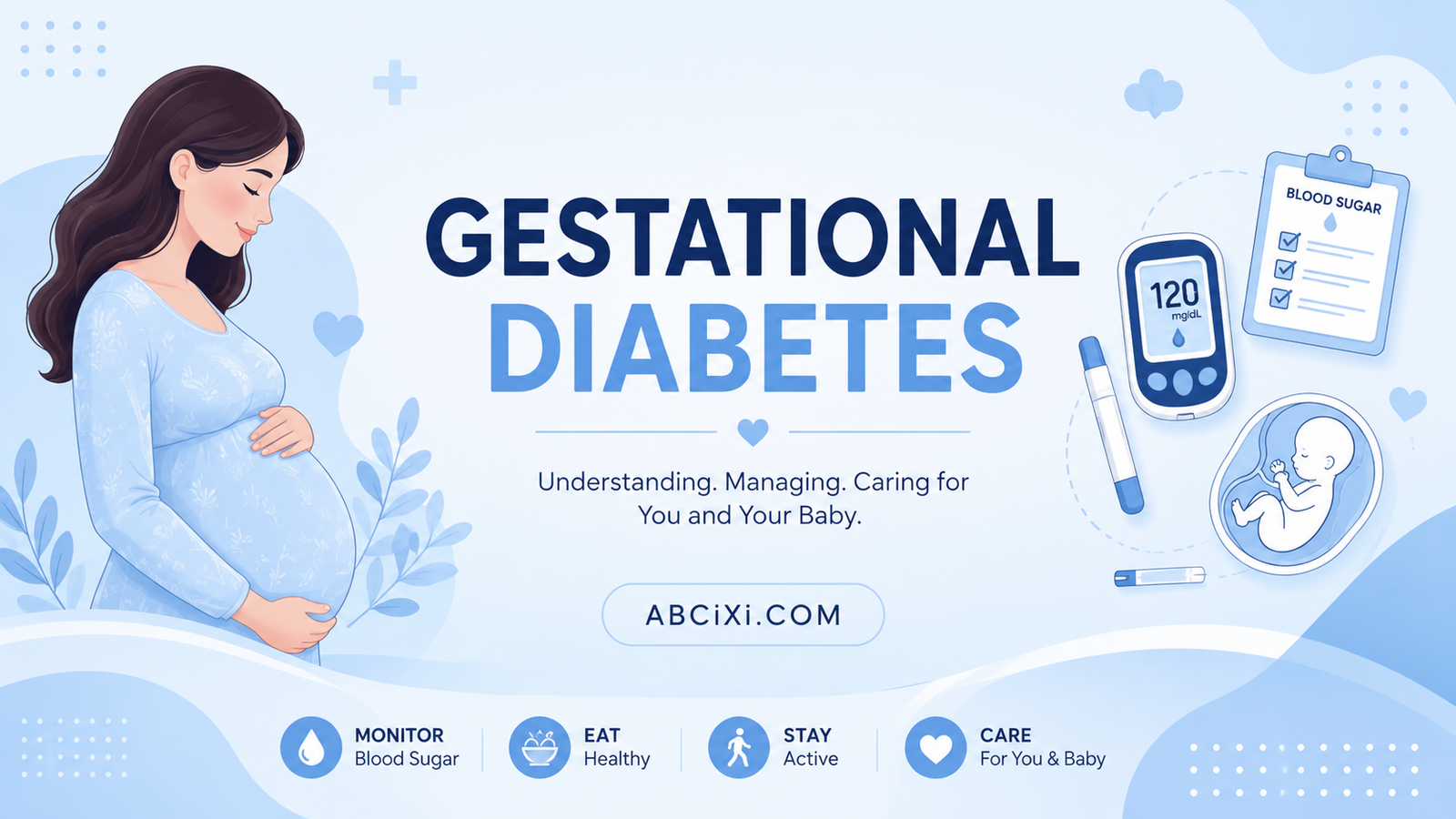
Gestational Diabetes- Why is 1 out of 6 Pregnancies Affected by Diabetes?
What is Gestational Diabetes?
Gestational diabetes is a type of diabetes that is diagnosed or recognised during pregnancy. It results in higher blood glucose level than normal. Pre gestational diabetes is the term we use when a diabetic mother becomes pregnant. One thing I must tell you here, that in gestational diabetes, the baby will be normal and no congenital malformation is seen, but if a diabetic mother becomes pregnant, there is a chance of the baby having some congenital malformation.
During pregnancy, the placenta produces hormone such as HPL, which primarily makes the Mother’s body less sensitive to insulin (insulin resistance). Normally, the pancreas try to compensate this situation by producing more insulin, but when it cannot produce enough insulin to overcome the situation, then there is increase in the blood glucose level leading to the gestational diabetes.
Why does gestational diabetes happens?
Gestational diabetes develops because pregnancy naturally causes insulin resistance. As the baby grows, it needs multiple hormones to help the foetal development. This hormones are HPL, progesterone, oestrogen, cortisol etc. So as a result, the mothers pancreas must produce significantly more insulin to keep the blood glucose level within the normal range. In most pregnancy, the pancreas successfully compensate for this increased demand of insulin. However, in some cases insulin production cannot keep up with the rising insulin resistance, and when this happens, blood glucose level increases leading to the gestational diabetes.
What is Pre gestational diabetes?
It means when a female with diabetes mellitus conceives, hyperglycaemia or high level of blood glucose is present from day 1 of the pregnancy. This hyperglycaemia causes the free radical formation from day 1. This free radicals are toxic to foetus inside uterus, causing the congenital malformation. So if the FBS >126 mg/dl, 2 hours PPBS >200, HbA1c >6.5 patient is termed as pre gestation or overt diabetes.
For this kind of patients tight glucose control is very much necessary, so the drug of choice is always insulin and the target for the HbA1c <6.5. Ideally this patients are started on insulin before the conception, when they are planning for it. If the pregnancy was unplanned, then immediately after the detection of the pregnancy insulin should be started.
Risk factor
Not all the pregnant woman develop gestational diabetes. The risk is higher in the woman who already have the factors that promote insulin resistance or reduces insulin production. The most important factor is the obesity. BMI > 25 with one of the following is considered as a high risk for developing gestational diabetes mellitus.
- Previous history of gestational diabetes mellitus
- Family history of diabetes
- Polycystic ovarian syndrome
- Previous history of delivering a baby > 4 KG
- History of Still birth
- Patient currently having hypertension (Pressure)
- Age also plays an important role in gestational diabetes mellitus. Mother’s age more than 40 are prone to develop it.
- HbA1c > 5.7 can point towards the gestational diabetes, but remember if the value is > 6.5 it is taken as the pre gestational diabetes.
Symptoms
Gestational diabetes often causes no noticeable symptom, which is why routine screening during the pregnancy is so important. Glycosuria (glucose through urine) during pregnancy is very normal. But glucose in the blood is dangerous, so the Antenatal checkups become very important for the mother.
According to DIPSI guidelines the mother should be screened in her fast Antenatal visit and then again between 24 to 28 weeks of her pregnancy. But few generalised symptoms do occur like-
- Increased thirst (polydipsia)
- Frequent urination (polyuria)
- Fatigue
- Increased hunger
- And sometime recurrent infection, such as the urinary tract infection or vaginal candidiasis. So the doctors do recommend the urine routine microscopy in each trimester.
Diagnosis
There are three guidelines present currently
- DIPSI guidelines
- International Association of diabetes in pregnancy (IADPSG)
- American College of obstetricians and gynaecologist (ACOG)
1. DIPSI is the national guideline followed in India. for this test, fasting is not needed, your previous meal is not important.
75 g of glucose is given to the mother -> blood glucose levels are checked after 2 hours.
| Between 140-200 mg/dl | Gestational diabetes mellitus |
| >200 mg/dl | Pre Gestational Diabetes mellitus |
2. International Association of diabetes in pregnancy (IADPSG)
8 hours of fasting -> Fasting Blood Sugar (FBS) -> 75 grams of glucose is given -> Blood sugar levels are checked after 1 hour and 2 hours.
| Upper Limit (mg/dl) | |
| Fasting Blood Sugar | 92 |
| 1 hour | 180 |
| 2 hours | 153 |
3. American College of obstetricians and gynaecologist (ACOG)
It is two step approach.
STEP 1
50 g of glucose is given to the mother blood -> blood glucose levels are checked after 1 hours. This is considered as a screening test.
| < 140 | Normal |
| 140 – 200 | Gestational Diabetes Mellitus |
| > 200 | Pre Gestational Diabetes |
STEP 2
This is considered as the diagnostic test.
8 hours of fasting -> fasting blood sample is taken -> 100 grams of oral glucose is given to the mother -> blood sugar levels are checked after 1 hour, 2 hours and 3 hours
| Upper Limit (mg/dl) | |
| Fasting blood sample | 95 |
| 1 hour | 180 |
| 2 hours | 155 |
| 3 hours | 140 |
Target glucose
The target for the patient of gestational diabetic Mother is to maintain a good glycemic control. Targets are –
- Fasting, blood glucose <95 mg/dl
- 1 hour post prandial Value <140 mg/dl
- 2 hours post prandial value <120 mg/dl
- HbA1c <6
Treatment
The main medicine is Insulin. When we start the insulin therapy, from day 3, we do check the fasting blood glucose every day, till the insulin dose is adjusted to maintain the normal plasma glucose level and after that we monitor the post prandial glucose level 1/week.
Oral glucose lowering agents (oral hypoglycaemic agents) are not used during pregnancy as they are less potent and may cross the placenta, causing hypoglycaemia in the fetus. But still, if the mother with gestational diabetes refuses to take insulin, we sometime suggest oral hypoglycaemic agents, but remember this is absolutely not recommended.
The baby is delivered around 39 weeks of pregnancy. If that blood glucose level in the mother is very well controlled, the pregnancy can be terminated or the baby can be delivered up to 41 weeks, but it is recommended to do after 39 weeks. On the other hand, if the blood glucose is not well controlled, then the delivery is delivered before 39 weeks.
In most of the cases the mode of delivery is normal vagina delivery, but macrosomia or big baby may happen due to the diabetes which might need different mode of delivery, but mainly doctors always prefer to do the vaginal delivery.
Risk of mother
- Due to the increased urination by the fetus, the mother suffered from polyhydramnios.
- Placentomegaly may happen, which increases the risk of the pregnancy induced hypertension.
- There is an increased chance of asymptomatic bacteriuria, urinary tract infection, and many times mother suffers from vaginal candidiasis. In diabetic patient, urine routine and microscopic examination should be done in all the trimesters.
- Preterm Labour
- Premature rupture of the membrane
- Placenta previa (due to the increase size of placenta)
- Postpartum haemorrhage
- 50% to 60% of the patients who developed diabetes for the first time during pregnancy, develop type 2 diabetes mellitus later in life.

Read More : https://pmc.ncbi.nlm.nih.gov/articles/PMC10041873/
Risk of Fetus (Before Birth)
- Congenital malformation is seen in many patients. Around 30% of the patient having diabetes delivers the baby with congenital formations.
- Hyperglycaemia
- Macrosomia. Around 40 to 50% babies delivered from a gestational diabetic mother are bigger than normal and their weight is around 4.5 kg or above.
- Insulin delays the lung maturity by decreasing surfactant production, leading to delayed lung maturity and the fetus may suffer from respiratory distress syndrome.
- Necrotising enterocolitis
- Abortion
- IUD (Death inside Uterus)
- Still birth (Death after 28 weeks of gestation)
- The most common system involved in the congenital malformation is cardiovascular system (Heart),among the Heart, Ventricular septal defect is most common one.
- Caudal regression syndrome or sacral agenesis is another very specific anomaly seen in the fetus delivered from a diabetic mother.

Risk of Neonate (After Birth)
- There is a high number of mortality of neonates seen in such cases. The main reason is Prematurity, which causes the delay in lung maturity further causing respiratory distress syndrome.
- Baby becomes hypoglycaemic after birth. Because as soon as baby is born, the source of hyperglycaemia is gone. Now, the increased level of insulin in the baby leads to hypoglycaemia.
- The electrolyte imbalance is very dangerous for this kind of babies. Doctors should be very much careful about the risk of hypokalaemia (low potassium), hypocalcemia (low calcium), hypomagnesemia, which happens due to the prematurity.
- Polycythaemia, hyper coagulation, hyper Billirubin
Diet Plan
A healthy diet is the most effective way to manage the gestational diabetes. The goal is not to eliminate carbohydrate completely because it is harmful but to choose the healthier carbohydrate sources and distribute them evenly throughout the day. This helps to maintain stable blood glucose level while ensuring both the mother and the baby receives adequate nutrition.
General dietary principles:
- Eating regular meals, not skipping any meal.
- Choosing the complex carbohydrates instead of refined carbohydrates
- Including proteins with every meal
- Consuming plenty of vegetables
- Limiting sugary food and soft beverages
- High fibre carbohydrate like brown rice, oats, whole grain bread, millets are recommended
- Proteins like egg, fish, chicken, Paneer
- Few vegetables provide vitamin mineral and fibre while having the least amount of impact on the blood glucose like broccoli, cauliflower, cabbage, cucumber, tomatoes.
Exercise
Most pregnant woman with gestational diabetes should aim for at least 150 minutes or moderate intensity physical activity per week spread over several days. A practical goal is like 30 minutes of exercise in most of the days of the week is highly recommended by the doctors.
- Walking is one of the safest and the most effective exercise during pregnancy. Every day aim for 20 to 30 minutes of walking after the meal which helps to reduce the blood sugar spike post meal.
- Prenatal Yoga
- Swimming
- Stationary cycling
Key Takeaways
- Gestational diabetes mellitus (GDM) is high blood sugar first detected during pregnancy.
- It occurs because pregnancy hormones increase insulin resistance, making it harder for the body to use insulin effectively.
- Most women with gestational diabetes do not experience noticeable symptoms, making routine screening essential.
- Diagnosis is commonly made between 24 and 28 weeks of pregnancy using glucose testing.
- Risk factors include obesity, advanced maternal age, family history of diabetes, previous GDM, and PCOS.
- Uncontrolled gestational diabetes can lead to complications such as macrosomia (large baby), birth injuries, preterm birth, foetal hyperglycaemia and neonatal hypoglycaemia.
- Dietary modifications, regular physical activity, and blood glucose monitoring are the cornerstones of treatment.
- Some women may require insulin therapy if blood sugar targets are not achieved with lifestyle measures alone.
- Gestational diabetes usually resolves after delivery, but it increases the mother’s risk of developing type 2 diabetes later in life.
- Early diagnosis and proper management help ensure a healthy pregnancy and healthy baby.